
Trauma is an emotional and psychological response to an overwhelming experience that the mind and body were not prepared to handle at the time. This could include:
Emotional or physical abuse
Accidents or medical trauma
Loss of a loved one
Childhood neglect
Relationship trauma
Sudden life-threatening events
Prolonged stress or fear
Trauma stays in the nervous system. Even when the event is over, the body continues to react as if danger is still present. This is why people often say, “I know it’s in the past, but it still feels real.”
PTSD is a condition that develops when trauma remains unresolved and continues to affect daily life. It occurs when the brain struggles to process and store the traumatic experience safely.
A person with PTSD often lives in a state of constant alert, always expecting something bad to happen. The mind replays memories, images, or emotions repeatedly, especially when trying to relax or move forward.
PTSD is not a sign of weakness.
It is a survival response that stayed active for too long.
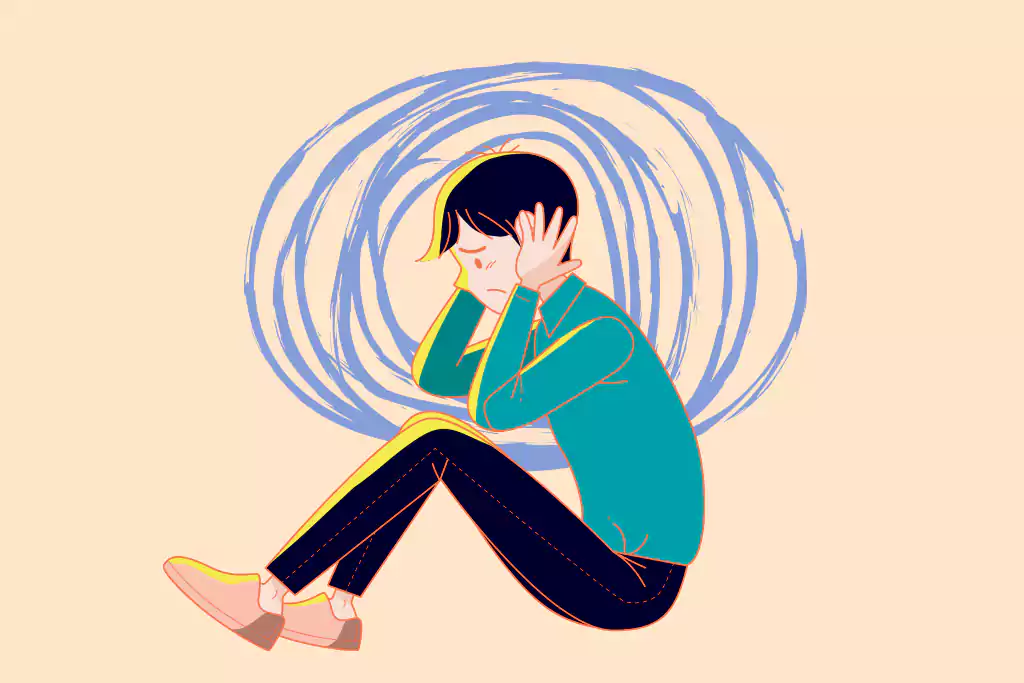
Trauma does not always announce itself loudly.
Sometimes, it hides in constant fear, endless overthinking, sleepless nights, and the painful feeling of being stuck in the past while the world moves on.
Many people living with trauma or PTSD want the same thing, to move on, to feel safe again, and to finally find closure. Yet, no matter how hard they try, their mind keeps looping the same memories, thoughts, and fears again and again. This is not weakness. This is how trauma works.
Healing is possible. And you don’t have to face it alone.
People with trauma or PTSD often experience:
Constant fear or sense of danger
Overthinking and mental exhaustion
Repeated looping of the same thoughts or memories
Feeling emotionally numb or disconnected
Guilt, shame, or self-blame
Difficulty trusting others
Sleep disturbances or nightmares
Panic or sudden emotional overwhelm
Inability to “let go” despite trying
Many say, “I just want closure.”
But trauma does not heal through force or forgetting, it heals through understanding, safety, and compassionate guidance.
You may be experiencing trauma or PTSD if you notice:
Emotional Signs
Fear without a clear reason
Feeling stuck in the past
Intense emotional reactions to small triggers
Difficulty feeling joy or peace
Mental Signs
Constant overthinking
Replaying events repeatedly
Intrusive thoughts or images
Difficulty concentrating
Physical Signs
Racing heart
Tight chest
Fatigue
Headaches
Stomach discomfort
Behavioral Signs
Avoiding people or places
Isolating yourself
Feeling unsafe even in calm situations
If these symptoms continue for weeks or months, it’s a sign that professional support is needed.
Many trauma survivors ask:
“Why can’t I move on when others can?”
The truth is, your brain is trying to protect you.
Trauma locks the mind in a loop where it keeps scanning for danger. When you try to move forward, the brain reacts with fear, reminding you of the past as a way to “keep you safe.”
This is why people feel stuck, exhausted, and frustrated. Closure does not come from suppressing memories, it comes from gently processing them in a safe environment.
Trauma treatment focuses on calming the nervous system, helping the mind process memories safely, and restoring a sense of control and safety.
Trauma-focused psychotherapy
Cognitive Behavioral Therapy (CBT)
Mindfulness and grounding techniques
Emotional regulation strategies
Somatic (body-based) therapy approaches
Safe memory processing
The goal is not to erase memories, but to reduce their emotional charge so they no longer control your present.
You should seek professional support if:
Fear feels constant or overwhelming
You are unable to move on despite trying
Thoughts keep looping repeatedly
You feel emotionally stuck or numb
Your sleep, work, or relationships are affected
You are searching for closure but can’t find it
Past experiences keep controlling your present
Dr. Chitra Radhakrishna, with her compassionate, non-judgmental approach, helps individuals process trauma gently and safely. She understands that trauma healing requires patience, trust, and emotional safety.
Her sessions focus on helping you feel grounded, supported, and gradually free from the hold of the past, without forcing you to relive painful memories before you are ready.
Healing from trauma or PTSD does not mean forgetting what happened.
It means remembering without fear, living without constant alertness, and feeling safe in your own mind again.
With the right guidance, you can:
Stop Overthinking
Break Mental loops
Reduce fear
Find closure
Rebuild trust in yourself
Regain emotional balance
You deserve peace.
You deserve understanding.
And you deserve support on your healing journey.
If you are carrying fear, reliving the past, or searching for closure, help is available, and healing is possible.
1. What is the difference between trauma and PTSD?
Trauma is the emotional response to a painful event, while PTSD occurs when those effects continue and interfere with daily life.
2. Can trauma heal on its own without therapy?
Some people cope over time, but professional support helps heal trauma safely and effectively.
3. Why do traumatic thoughts keep repeating in my mind?
The brain keeps replaying memories to protect you, even though the danger has passed.
4. How do I know if I need professional help for trauma?
If fear, overthinking, or emotional distress continues for weeks and affects your life, it’s time to seek help.
5. Is recovery from PTSD really possible?
Yes. With the right therapy and support, people can heal, feel safe again, and move forward.
Take the first step toward a more balanced, healthier, and harmonious life.
Your healing journey can begin today.
Whispering Mind Clinic
Ground Floor – Aromas of Coorg – Coffee House Building
#3M-518, OMBR Layout, Ward No. 27
Bhuvanagiri, Near BSNL Exchange
Banaswadi, Bangalore – 560043
📞 +91-7975914030
📩 chitrauthappa.a@gmail.com
Your mental health deserves care, compassion and confidentiality. Take the step today – reach out and begin your journey
Some days feel overwhelming. Some thoughts feel too loud. And sometimes, you just need a space where you can breathe, speak freely, and feel understood.
Counselling gives you that space — a calm, confidential, nonjudgmental room where your emotions are valid , your fears are heard, and your healing truly begins.